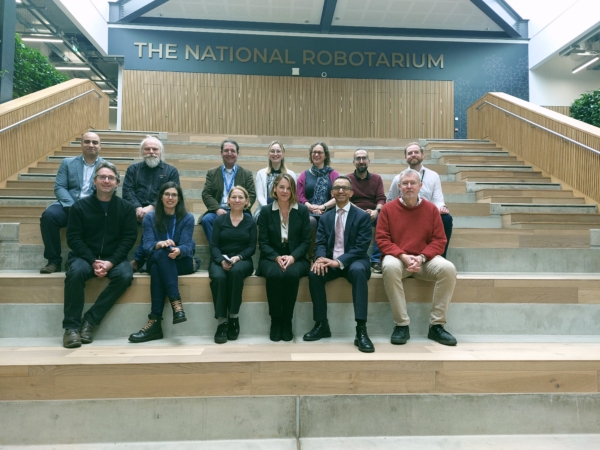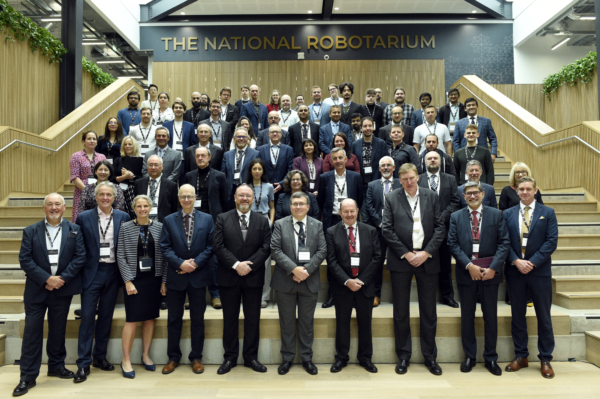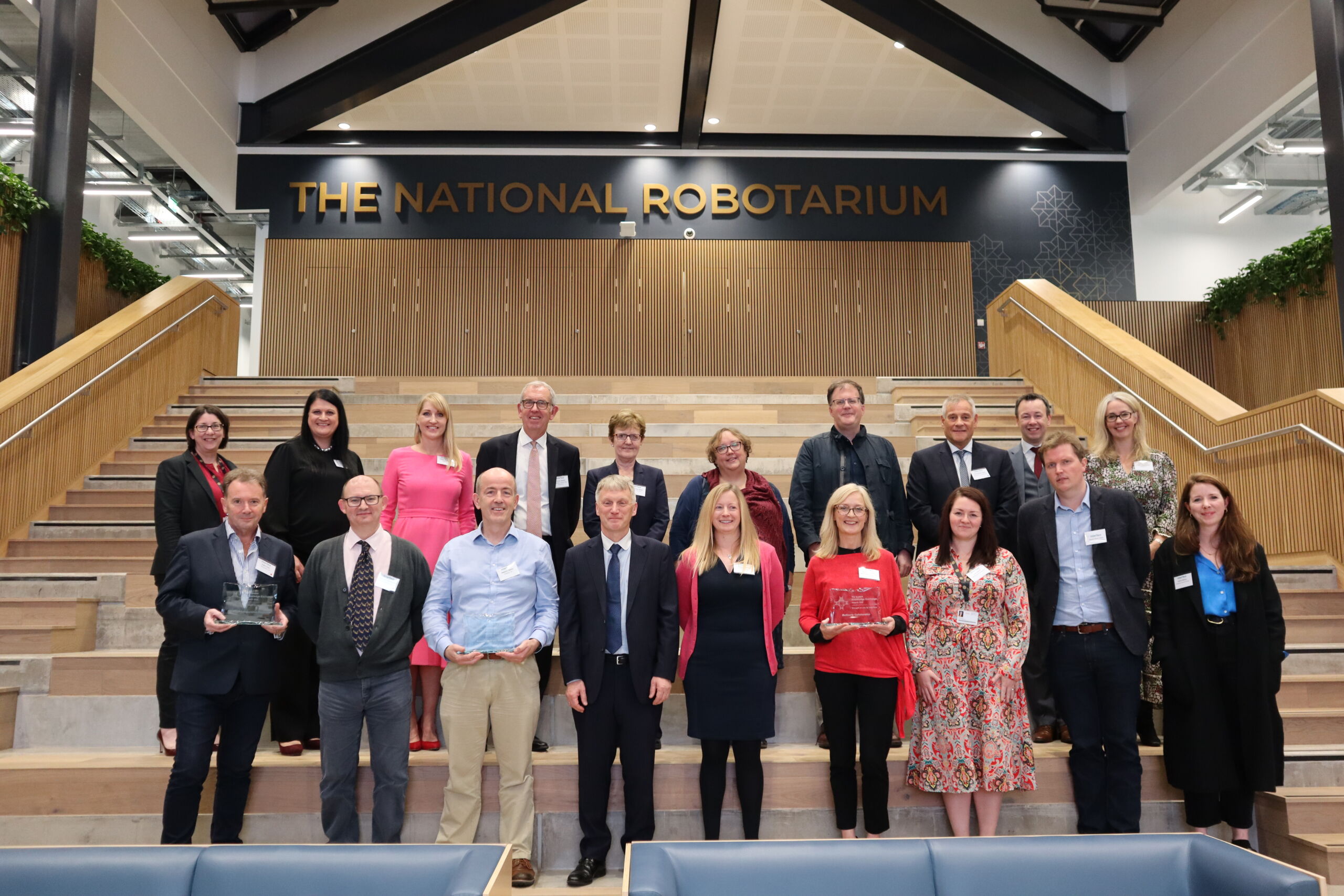
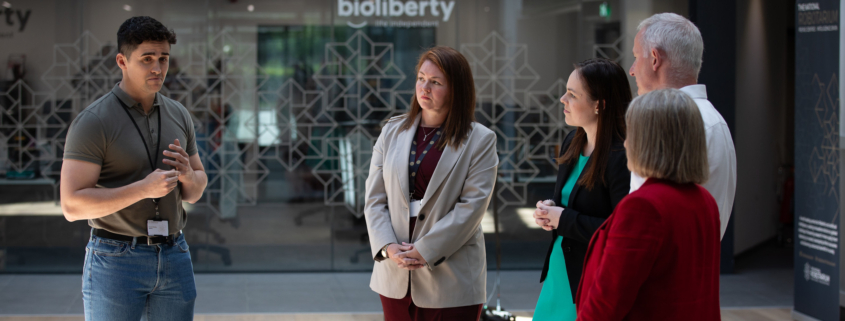
Join us for the second regional event in the Scottish Robotics and Autonomous Systems (RAS) Cluster engagement series, bringing together businesses, researchers, and public partners from across Scotland’s robotics ecosystem.
This interactive session marks the start of a new national initiative to connect the full robotics supply chain – from start-ups and SMEs to universities, investors, and manufacturers — and to build a coordinated, high-impact cluster that accelerates innovation, strengthens collaboration, and drives economic growth. This session focuses on stakeholders within Edinburgh and the surrounding areas in the central belt and borders.
Insights into the Scottish Cluster Scheme and the vision for the RAS Cluster.
Networking with peers, innovators, and potential collaborators from across the robotics ecosystem.
Discussions on opportunities, challenges, and priorities shaping the future of robotics in Scotland.
The chance to contribute directly to the Cluster Development Strategy and Roadmap that will guide the sector to 2026 and beyond.
Why Attend?
By joining this event, you’ll:
Help shape the direction of Scotland’s robotics and automation landscape.
Connect across the entire supply chain, from component developers to systems integrators and end users.
Gain early access to collaboration opportunities, insights, and support through the national cluster initiative.
Contribute to strengthening Scotland’s international competitiveness in robotics and autonomous systems.
Who should attend?
Businesses, innovators, component suppliers, manufacturers, venture capitalists, funding bodies, researchers, educators, start-ups and SMEs, policymakers, and anyone stakeholders in robotics, automation, AI, or digital manufacturing within Edinburgh and the surrounding area.
https://thenationalrobotarium.com/wp-content/uploads/ROSCon_UK_2025-TIAGO-1000px.jpg6571000Louise Jackhttp://thenationalrobotarium.com/wp-content/uploads/Robotarium.pngLouise Jack2026-01-06 17:57:552026-01-15 14:23:48Scottish RAS Cluster Pilot Stakeholder Event – Edinburgh – 23 January 2026
Join us for the first regional event in the Scottish Robotics and Autonomous Systems (RAS) Cluster engagement series, bringing together businesses, researchers, and public partners from across Scotland’s robotics ecosystem.
This interactive session marks the start of a new national initiative to connect the full robotics supply chain – from start-ups and SMEs to universities, investors, and manufacturers — and to build a coordinated, high-impact cluster that accelerates innovation, strengthens collaboration, and drives economic growth. This session focusses on stakeholders within Glasgow and the surrounding areas in the West of Scotland.
Insights into the Scottish Cluster Scheme and the vision for the RAS Cluster.
Networking with peers, innovators, and potential collaborators from across the robotics ecosystem.
Discussions on opportunities, challenges, and priorities shaping the future of robotics in Scotland.
The chance to contribute directly to the Cluster Development Strategy and Roadmap that will guide the sector to 2026 and beyond.
Why Attend?
By joining this event, you’ll:
Help shape the direction of Scotland’s robotics and automation landscape.
Connect across the entire supply chain, from component developers to systems integrators and end users.
Gain early access to collaboration opportunities, insights, and support through the national cluster initiative.
Contribute to strengthening Scotland’s international competitiveness in robotics and autonomous systems.
Who should attend?
Businesses, innovators, component suppliers, manufacturers, venture capitalists, funding bodies, researchers, educators, start-ups and SMEs, policymakers, and anyone stakeholders in robotics, automation, AI, or digital manufacturing within Glasgow and the surrounding area.
https://thenationalrobotarium.com/wp-content/uploads/ROSCon_UK_2025-TIAGO-1000px.jpg6571000Louise Jackhttp://thenationalrobotarium.com/wp-content/uploads/Robotarium.pngLouise Jack2025-11-07 17:57:592025-12-17 15:19:30Scottish RAS Cluster Pilot Stakeholder Event – Glasgow – 26 Nov 2025
Rowanne Miller, Project Manager at The National Robotarium and lead of the Robotics Adoption Fund
Originally published in The Herald Business HQ supplement on 6 November 2025
Scotland is attempting something ambitious: building genuine connective tissue between world-class robotics research and everyday business transformation. After years of investment in research infrastructure and academic excellence, we’re now testing whether we can become equally good at helping businesses adopt these technologies confidently and strategically.
The early signs suggest we’re onto something.
Recent months have demonstrated Scotland’s growing position as a hub for robotics innovation. The inaugural UK Robotics Expo drew capacity crowds. Edinburgh welcomed hundreds of international robotics specialists for ROSCon UK 2025. And, the Deep Tech Growth Programme launched – bringing together advanced manufacturing capabilities, research institutes, and technology organisations under one coordinated programme.
But the more interesting story isn’t about what happened at these events; it’s about what happens next in facilities and offices across the nation.
From innovation to implementation
Scotland has proven it can innovate in robotics. We’ve built research facilities and created partnerships between academia and industry that generate genuine technological breakthroughs. The frontier now is different.
Can we help Scottish businesses become confident adopters of robotics at the same pace we’ve developed research capability? Can we translate academic excellence into economic transformation across sectors that haven’t traditionally thought of themselves as technology leaders?
This is the challenge our new Robotics Adoption Fund aims to address. A Scottish Government initiative to accelerate robotics and AI adoption across Scotland’s businesses and public sector, it represents a fundamentally different approach to innovation support.
Rowanne Miller, Project Manager and Robotics Adoption Fund lead
Understanding the adoption journey
When we engage with businesses across Scotland’s key sectors we hear something consistent and encouraging. Business leaders understand that robotics represents opportunity. They’re not asking whether robotics matters; they’re asking more sophisticated questions about how it applies to their specific context.
A whisky distiller wants to understand whether robotic systems make sense for their production volume and facility layout. An agricultural operation needs to assess how automation fits within infrastructure constraints. A textile manufacturer is thinking about workforce implications – how roles evolve, what training is required, how to bring teams along as partners in transformation.
These are the right questions. They reflect operational maturity and strategic thinking. But answering them requires more than access to information – it requires applied expertise, sector-specific knowledge, and willingness to work through complexity in partnership.
A new model of support
The Robotics Adoption Fund provides a structured pathway through this complexity. It’s a six-month pilot programme designed to test whether expert-led, stage-appropriate support genuinely accelerates adoption.
The programme mirrors how businesses approach transformation with elements like The National Robotarium’s Robotics Readiness Reviews which offer organisations an honest assessment of their current position through sector-specific workshops. For businesses ready to explore further, ‘adoption assistance’ brings engineering expertise directly into operations – including site visits to understand facilities and workflows firsthand, and detailed recommendations tailored to specific constraints and opportunities.
The ‘implementation’ stage then supports organisations ready to prove concepts – working in partnership to co-design, build, and test proof-of-concept solutions. With 70% of costs covered by the fund, businesses can validate approaches before committing to full-scale adoption, significantly reducing the risk inherent in innovation. The programme aims to support at least 13 companies through these stages during the pilot, providing the evidence base for what effective adoption support looks like in practice.
Building an ecosystem
But the fund doesn’t exist in isolation – it’s part of broader momentum that has seen the Scottish Government recently commit millions for increased innovation and economic growth in technologies of significant economic value, including robotics.
The Deep Tech Growth Programme brings together manufacturing capabilities and expertise to support companies from concept through to production. A partnership between The National Robotarium, Scottish Enterprise and the National Manufacturing Institute of Scotland (NMIS), the six-month pilot aims to harness and strengthen Scotland’s deep tech capabilities and provide a one-stop-shop to help emerging tech companies access tailored support, manufacturing expertise, strategic partners and growth investment.
And the Scottish Government’s Robotics and Autonomous Systems Cluster programme, which is also supported by Scottish Enterprise and led by The National Robotarium in collaboration with NMIS, will map Scotland’s robotics ecosystem, identifying where capabilities exist and where strategic investment can strengthen collaboration.
What makes this particularly significant is timing. Scotland’s pilot programmes will provide practical evidence about what works – what kinds of support genuinely move businesses from consideration to confident adoption, and what galvanises companies already in the robotics space to anchor and scale in Scotland. If successful, these models could influence how future investment in robotics is deployed nationally.
Writing the playbook
Scotland isn’t alone in recognising robotics as an economic opportunity. The difference will be in translating that recognition into widespread business adoption at scale.
As a nation, we also have an opportunity to demonstrate that adoption isn’t simply about funding or strategy documents – it’s about building practical partnerships between expertise and operations, recognising that transformation is often messy and iterative, and providing support that meets businesses where they are rather than where we wish they were.
The Robotics Adoption Fund represents Scotland’s willingness to experiment with this approach, to learn from what works and adjust what doesn’t, and to build evidence that can inform not just Scotland’s future investment but potentially how the wider UK approaches robotics adoption.
The opportunity ahead
For Scottish businesses, a genuine opportunity exists to access expertise and support at a time when adopting robotics thoughtfully could determine competitive positioning for decades. It’s a chance to demonstrate that we’re not just capable of generating innovation, but equally skilled at helping businesses transform that innovation into economic value.
Those that engage with the fund will do more than benefit individually. They’ll help Scotland understand what effective adoption support looks like, contributing to a model that could shape how innovation translates to business reality across the UK.
Scotland’s robotics research excellence is established. The infrastructure is built. The expertise exists. What we’re testing now is whether we can be equally excellent at helping businesses navigate the path from awareness to implementation.
https://thenationalrobotarium.com/wp-content/uploads/ABB-pick-and-place-scaled-e1737141025743.jpg10001500Louise Jackhttp://thenationalrobotarium.com/wp-content/uploads/Robotarium.pngLouise Jack2025-11-06 11:45:072025-11-06 11:45:07OPINION: A helping hand for the innovators in robotics – Rowanne Miller
From 22-26 September, world-leading experts and entrepreneurs from Scotland’s technology, science and enterprise ecosystem are joining forces to showcase the brightest and best of Scottish innovation for the Scottish Government’s National Innovation Week 2025.
The National Robotarium, the UK’s centre for robotics and Artificial Intelligence at Heriot-Watt University, is part of a number of initiatives that have been highlighted as pioneers in transformative technologies and industries of the future.
£5 million for advanced manufacturing
Scotland’s first National Innovation Week kicked-off at The National Robotarium with an announcement of £5 million investment package for high-growth and high-innovation industries.
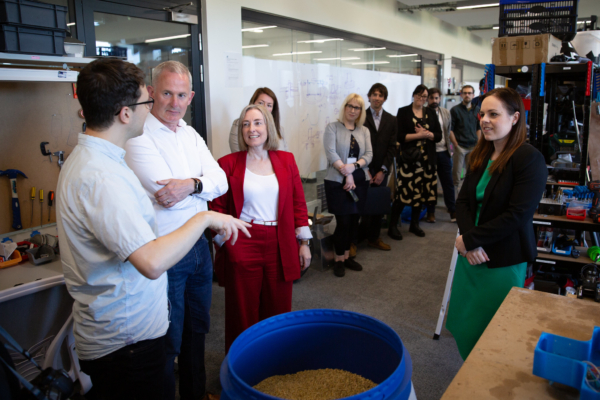
Minister for Business Richard Lochhead MSP with Business Development Manager Lisa Farrell during a tour of the facility for Scotland’s National Innovation Week 2025
Minister for Business, Richard Lochhead MSP visited the facility to explore the latest robotics technologies and hear from Business Development Manager Lisa Farrell how the Scottish and UK Government’s initial investment into The National Robotarium has yielded much success in driving forward new technological solutions, as well as stimulating economic growth through its business acceleration programme. Following the tour, the Minister announced the new £5m funding package to bolster Scotland’s cutting-edge innovation industries, including more than £2m of support for new market clusters set out in Scotland’s Innovation Strategy, encompassing space, robotics and critical technologies like semiconductors and quantum systems.
Borderlands Deep Tech Accelerator Hub announces partners
The National Robotarium was named as a key delivery partner in a new Deep Tech Accelerator Hub being launched in the Scottish Borders.
Led by South of Scotland Enterprise (SOSE), the new Hub – based at Borders College Hawick campus – will empower businesses in the South of Scotland to harness the potential of robotics, space, Artificial Intelligence (AI) and deep tech, driving innovation in key sectors and supporting the emergence of new industries.
Borders College Hawick Campus | New STEM, ECO Room education learning centre | Photo Phil Wilkinson
The focus of the Hub will be to support innovation, growth, scale-up, and new business in key industries including textiles, agriculture, manufacturing and in Natural Capital. The Hub will also offer entrepreneurial support, pre and start up support, and provide a Research & Development space featuring a living lab.
It will also have expert technical support for companies who want to test how robotics and deep tech could benefit their businesses.
As well as The National Robotarium, other key partners include Edinburgh Napier University, Scotland’s Rural College (SRUC), Glasgow School of Art, and BE-ST, Scotland’s national innovation centre for construction and the built environment.
Stewart Miller, CEO of The National Robotarium, said:
“This is a very exciting time for deep-tech companies in Scotland with opportunities – like the Deep Tech Accelerator Hub and the recently announced Deep Tech Growth programme – rapidly accelerating to allow our innovative tech companies anchor and scale right here in Scotland.
“Deep tech is going to affect all our lives – and therefore strategic support and industry investment has to go beyond the central belt.
“As CEO of the UK’s National Robotarium, we are working with SOSE to enable the South of Scotland to not only benefit from transformational technologies like robotics, but to also be a driving force in their development, ensuring deep-tech advancement is equitable and fully impactful.”
Converge – Innovation Unlocked
The National Robotarium and Converge, Scotland’s national entrepreneurial programme for the university sector, have highlighted the critical need for ‘innovation pathways’ to fast-track new technologies from early-concept to global commercialisation.
The organisations have joined together to demonstrate how a joined-up approach to entrepreneurship can accelerate innovation and delivery significant economic and societal benefit. One example of that success is Bioliberty, a robotics start-up that is poised to revolutionise the rehabilitation and physical therapy sector leveraging soft robotics, gamification and AI.
Bioliberty have created Lifeglov for patient rehabilitation
From their shared home at Heriot-Watt University, Converge and The National Robotarium have each supported the medtech company as it evolved from a University of Edinburgh start-up into a business with global ambitions.
CTO and co-founder, Ross O’Hanlon understands the value of structured innovation support.
“As engineering graduates with an early-stage idea, we truly didn’t know what we didn’t know” says Ross, “so Converge helped to fill in those gaps with essential business training and support. The initial funding was also crucial in launching the business and preparing us for the next steps”.
Having successfully navigated the early stages of launching a business with Converge, Bioliberty then found its natural home at the National Robotarium, accessing office space, labs and specialist equipment to rapidly advance their innovative Lifehub Clinic technology. Now with FDA registration complete and flagship products ready, Bioliberty is partnering with top US rehabilitation institutions to revolutionise patient care.
A new programme to help companies manufacture deep tech products as they take them from prototype to market has been launched by Scottish Enterprise and The National Robotarium.
Deputy First Minister Kate Forbes today (11 September) officially launched the Deep Tech Growth Programme at a showcase event at the Bayes Centre, University of Edinburgh.
Deputy First Minister of Scotland, Kate Forbes MSP with MD, Innovation and Investment at Scottish Enterprise, Jane Martin at the programme launch event, held at The Bayes Centre on 11 Sept 2025
The pilot programme is part of the wider Deep Tech Supercluster and was hailed as a major milestone in Scotland’s innovation journey.
Companies signing up will benefit from wrap-around support from Scottish Enterprise, the National Manufacturing Institute Scotland (NMIS), The National Robotarium, Smart Things Accelerator Centre (STAC), Highlands and Islands Enterprise, universities and the private sector.
According to the Royal Academy of Engineering’s State of UK Deep Tech report, the UK deep tech sector now attracts more than £5 billion in annual venture capital. Deep tech industries are defined as those with substantial scientific or engineering foundations — covering fields such as quantum technologies, photonics, advanced sensors, biotechnology, robotics, satellites and advanced materials.
Business Development Manager (The National Robotarium) Lisa Farrell will lead the pilot of the Deep Tech Growth programme
In Scotland, these capabilities underpin high-growth global markets such as subsea systems, medical technologies, and space.
Deputy First Minister Kate Forbes said: “Deeptech is a fundamental building block of many of the technologies we use in our everyday life – as well as many others that underpin the success of future industries. It represents a high-growth economic opportunity and, as such, it is vital that we harness the huge talent and innovation lying across Scotland’s technology sector.
“We want to see more companies forming, growing and manufacturing here in Scotland. By providing access to public and private support, this supercluster presents a step-change in how we foster deeptech companies and help them to succeed. I look forward to the pilot proving a real game-changer for a number of our most exciting companies, providing them with the right support and expertise at the right time to ensure that they succeed, grow and flourish.”
Managing Director of Innovation and Investment at Scottish Enterprise Jane Martin said: “This exciting collaboration will help companies to manufacture scalable products ultimately anchoring more high-growth firms in Scotland, creating jobs, boosting exports, and attracting investment.
“We want to work with some of Scotland’s most exciting growth prospects intensively to determine the most effective approaches to ensure they can scale here in Scotland, working with public and private partners along the way to create a really joined up system for growth.”
CEO of The National Robotarium Stewart Miller said: “The National Robotarium is proud to be a key delivery partner of the Deep Tech Supercluster Programme. This is a very exciting time for tech companies in Scotland; we have the talent, the skills and the entrepreneurial spirit to rapidly make truly innovative technologies that can improve people’s lives.
“Scotland has a long legacy of technological firsts and programmes like the Deep Tech Supercluster initiative will help to harness the wide range of expert support available to help these fledgling companies scale-up and, crucially, help Scotland retain their valued skills and innovative creations.”
Among the companies showcasing today was Novosound, which is developing thin-film ultrasound sensors for healthcare, subsea inspection, and industrial markets.
Director of Research and Development at Novosound Daniel Irving said: “Having gone through the journey of prototyping and productising deep tech concepts, with the invaluable support of Scottish Enterprise, it’s fantastic to see a dedicated programme now in place to back the next generation of Scottish deep tech start-ups. This kind of targeted support is exactly what’s needed to help innovation thrive.”
The Deep Tech Supercluster Programme is supported by partners including enterprise agencies, Scottish Government, The National Robotarium, Smart Things Accelerator Centre and the National Manufacturing Institute Scotland.
The pilot begins in November 2025 as a manufacturing pathway and will provide tailored support, investment readiness, access to manufacturing facilities, and partner expertise.
Get involved
There are two ways to get involved in the Deep Tech Growth Programme;
As a deep tech company looking to scale: If you’re building a deep tech product with global potential – whether validating feasibility, preparing to scale manufacturing, or expanding into new markets – the programme will help you access the right partners, investment, and support to accelerate growth. Apply as a deep tech company.
As a strategic partner: If you’re a technical, manufacturing, design or investment organisation, you can connect early with high-potential companies, shape projects, and unlock new commercial opportunities via the Partner Pool. Apply as a strategic partner.
Expressions of interest must be submitted to enquiries@scotent.co.uk by midday on 24 October 2025.
https://thenationalrobotarium.com/wp-content/uploads/SE-and-Kate-Forbes-DTSC.jpg545968Louise Jackhttp://thenationalrobotarium.com/wp-content/uploads/Robotarium.pngLouise Jack2025-09-11 15:59:062025-09-15 10:10:34Deep Tech Supercluster Programme takes technologies from prototype to market
In a piece first published in The Herald Business HQ on 7 August 2025, Business Development Manager at The National Robotarium Lisa Farrell highlights how a new £40 million robotics strategy validates Scotland’s approach to robotics development
The UK Government’s Industrial Strategy announcement in June included a detail that represents a significant shift in thinking – £40 million in funding for a new network of physical robotics adoption hubs across the UK. For Scotland’s robotics sector, this wasn’t just welcome news, it was recognition of an approach we’ve long believed essential for economic growth.
The National Robotarium has been part of ongoing discussions about the UK’s robotics strategy, contributing insights from our experience building Scotland’s robotics ecosystem.
This comes at a pivotal moment. The Government’s Spending Review committed an unprecedented £120 billion to AI, research and development, and advanced manufacturing over the next five years, with £2 billion specifically targeting artificial intelligence implementation.
The National Robotarium has been part of ongoing discussions about the UK’s robotics strategy
Yet, as we’ve consistently evidenced, AI alone cannot deliver the productivity breakthroughs the economy needs. Robotics provides what we call the ‘arms and legs’ of AI; transforming digital intelligence into physical capability that can manipulate the real world, automate manufacturing processes, and deliver services in environments too dangerous or precise for human workers.
This understanding is precisely why the new hub network approach makes strategic sense. The growing recognition among policymakers reflects a deeper understanding that utilising robotics is fundamental to the UK’s economic competitiveness.
Scotland has already demonstrated what’s possible with strategic robotics investment. The National Robotarium in Edinburgh, working alongside facilities like the National Manufacturing Institute Scotland (NMIS), has created a comprehensive innovation ecosystem which is supporting high-value jobs, nurturing innovative companies, and engaging young people in robotics education.
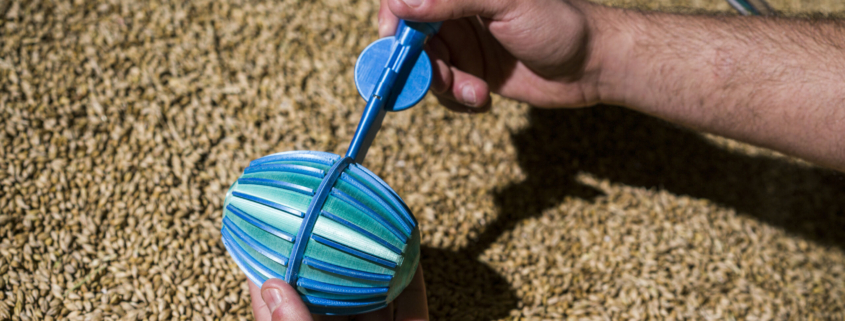
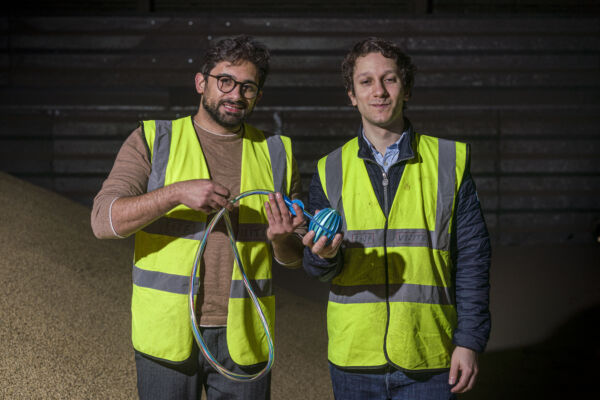
This proven approach is delivering real results. Companies like BioLiberty are developing robotic rehabilitation solutions, while Crover creates systems to reduce grain waste globally. The International Blue Economy Robotarium in Orkney shows how the model can be specialised for different sectors, exploring sustainable solutions for offshore energy and renewables.
This momentum is further reinforced by expanded programmes like Made Smarter helping manufacturing SMEs adopt digital technologies, alongside new investments across multiple technology initiatives. Scotland’s established infrastructure positions us to maximise these expanding opportunities.
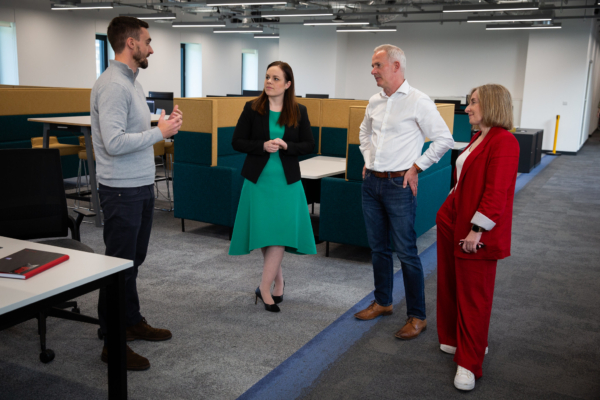
Lisa Farrell (second from left) alongside Scottish Deputy First Minister Kate Forbes MSP
This advantage is further amplified by the UK Government’s £750 million investment in Edinburgh’s new supercomputer. As a key delivery partner in this initiative, the National Robotarium is demonstrating how AI and robotics can work in lockstep and this collaboration shows how digital intelligence becomes economically valuable when it can control physical systems in the real world.
The new robotics hubs network represents the scaling of this proven approach. While other regions will be starting from scratch, Scotland has a three-year head start in understanding what works. We’ve already navigated the challenges of building industry partnerships, developing business support programmes, and creating pathways from research to commercialisation.
The economic opportunities are substantial.
The global healthcare robotics market is projected to grow from £1.3 billion in 2023 to £2.6 billion by 2028
Manufacturing robotics offers even greater potential, with the opportunity to address the UK’s position as the least automated country in the G7. Scotland’s offshore robotics market could reach £341 million annually by 2030, building on our renewable energy expertise.
What makes this moment particularly significant is that Scotland is positioned not just to benefit from the new national strategy, but to help shape its success. Our experience building robotics infrastructure, combined with our research excellence and innovative companies, means Scotland understands both the opportunities and challenges of scaling robotics innovation.
The £40 million represents just the beginning. As these hubs demonstrate economic impact, further investment will follow. Scotland’s early mover advantage, combined with our proven track record, positions us to capture a significant share of this expanding opportunity.
The challenge now is ensuring we make the most of what this creates. Scotland has the chance to become not just a participant in the UK’s robotics revolution, but lead it.
For businesses and policymakers ready to explore what robotics can deliver, Scotland’s expertise is here and available. The infrastructure exists, the knowledge is proven, and the conversation starts now.
https://thenationalrobotarium.com/wp-content/uploads/DSC9865-copy-1.jpg6671000Louise Jackhttp://thenationalrobotarium.com/wp-content/uploads/Robotarium.pngLouise Jack2025-08-08 10:13:162025-08-08 10:13:16COMMENT: How Scotland’s robotics revolution is going national
The National Robotarium and Robotekin – Basque Association for Robotics and Automation have forged a new global partnership to advance innovation, research and skills development in Robotics and Autonomous Systems (RAS).
In July, the UK’s centre for robotics and AI at Heriot-Watt University welcomed a delegation from Robotekin, a not-for-profit consortium in the Basque Country, during which a Letter of Intent was signed by CEO of The National Robotarium, Stewart Miller, and Robotekin Director, Daniel Ruiz Corres. The letter outlines each organisation’s commitment to sharing knowledge and developing joint initiatives in areas including applied research and technology transfer, international projects, outreach and events.
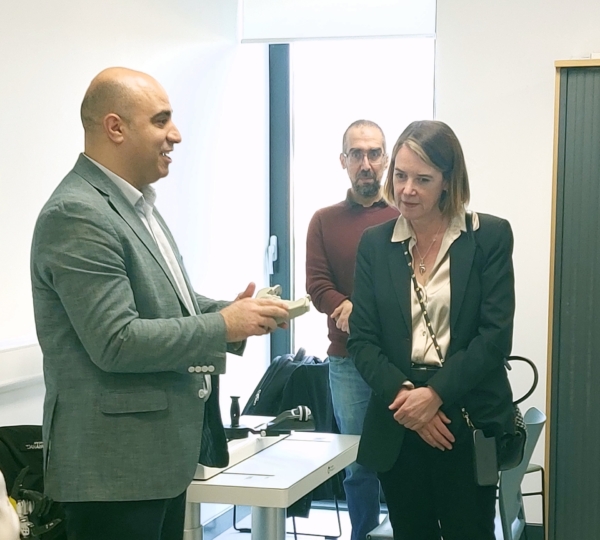
[l-r] Daniel Ruiz Corres, Robotekin Director, and Stewart Miller, CEO of The National Robotarium sign the letter of intent (July 2025)
The delegation – which included Robotekin industry members Smartlog Group, Seaquenz, BIC Araba, Ikaslan, IKERLAN and DACO Ingeniería – followed a visit by National Robotarium Chief Operating Officer, Steve Maclaren, to Robotekin’s headquarters in Álava, Spain in December. During the visit, Steve presented on the National Robotarium’s holistic enterprise model that is advancing science in robotics and automation, and supporting early-stage technology companies. It was agreed that a reciprocal visit be arranged, paving the way towards a more formalised partnership.
Steve said: “Following my insightful visit to Robotekin’s headquarters last year, it was an honour to welcome the team and their associates to The National Robotarium. As well as getting a tour our state-of-the-art labs, the visit was hugely valuable in learning more about each other’s delivery models, and exploring opportunities to drive forward new collaborations.”
Steve Maclaren (centre) visited Robotekin in Spain in Dec 2025
Robotekin operates as a ‘cooperative ecosystem’, creating a link between R&D, education, manufacturing and user testing, rapidly driving new technological and business projects that address genuine industry and customer needs. The success of the Robotekin model could provide a blueprint for other nations looking to create a circular robotics supply chain that harnesses scientific excellence, private and government investment, and entrepreneurial spirit, manufacturing and production. Building a similar robotics ecosystem for Scotland is a key recommendation in The National Robotarium’s recent policy paper ‘Making Scotland a World Leader in Robotics’.
Stewart Miller said: “Scotland stands to gain significantly from a hub-and-spoke model like Robotekin. By acting as a physical hub for industry, government and science to work closely together on fast-tracking new robotic innovations, we not only benefit people’s lives but also create a driver for economic prosperity and talent retention.
“This partnership offers a valuable opportunity to explore alternative delivery models that could be key to securing long-term success for robotics in Scotland.”
https://thenationalrobotarium.com/wp-content/uploads/Robotekin-group-dinner-1000px.jpg7501000Louise Jackhttp://thenationalrobotarium.com/wp-content/uploads/Robotarium.pngLouise Jack2025-07-31 17:19:342025-07-31 17:21:20The National Robotarium forges new partnership with Robotekin
Festival of Politics 2025: Will AI and robots save our economy and planet?
From self-driving cars and delivery drones to industry robots, AI-enabled robotics will transform all our lives in the next decade. Are we ready and how do we negotiate safe, responsible AI to achieve societal advances?
Friday 22 August | 1045-1215 | The Scottish Parliament, Horse Wynd, Edinburgh EH99 1SP |
Tickets: https://tikt.link/aiandrobots (prices start from £5)
From the economy to climate, public services and security, the development pace is warp-speed as the UK aims to make up for lost time amid the AI and robotics revolution. From self-driving cars and delivery drones to industry robots, AI-enabled robotics will transform all our lives in the next decade. Are we ready and how do we negotiate safe, responsible AI to achieve societal advances?
Chair: Clare Adamson MSP, Convener, Cross-Party Group on Science and Technology
Panellists:
Dr Ingo Keller is Head of Robotics at the National Robotarium, based at the Heriot Watt campus in Edinburgh. Ingo is a software, AI, and robotics engineer with over 20 years of experience in science and industry and leads the National Robotarium’s growing team of robotics engineers as they test and develop new technologies and systems to address real-world challenges.
Professor Soumen Sengupta is Chief Officer of South Lanarkshire University Health and Social Care Partnership, and an executive director at NHS Lanarkshire and South Lanarkshire Council. He is chair of Health and Social Care Scotland, the national Integration Joint Board chief officers’ group. He is active in public sector reform locally and nationally, including digital transformation.
Dr Luciana Blaha leads the Intelligent Automation Systems (IAS) Lab at Heriot-Watt University. Her research investigates IAS including artificial intelligence (AI), robotic process automation and chatbots and their impact on organisational behaviour, reuniting findings from science and technology studies, business management and computing science.
Professor Ana Basiri is Professor of Geospatial Data Science, Director of the Centre for Data Science and AI, and a UK Research and Innovation Future Leaders Fellow at the University of Glasgow. She leads an interdisciplinary team developing solutions that treat data unavailability and biases as valuable sources for inferring their underlying causes. (online)
https://thenationalrobotarium.com/wp-content/uploads/Festival-of-Politics-25.png10801920Louise Jackhttp://thenationalrobotarium.com/wp-content/uploads/Robotarium.pngLouise Jack2025-07-28 13:25:402025-08-28 12:43:07Festival of Politics 2025- Friday 22 August
The National Robotarium, the UK’s leading centre for robotics and Artificial Intelligence at Heriot-Watt University, is to be involved in the development of new products and services that help to advance the safe adoption of robotics in the public sector.
As part of round 11 of the CivTech Challenge, a Scottish Government programme that brings the public, private and third sectors together to create new innovations that can make people’s lives better, The National Robotarium and the Directorate for Digital aims to support the development of pioneering ideas that can enable greater adoption of new robotic and smart technologies in public organisations.
Any organisation, team or individual can respond to Challenge 11.8, ‘How can the public sector ensure a safe, secure and transparent adoption of robotics’, with the most promising solutions given the chance to access up to £1.2m in public contracts.
Full Challenge Information
Challenge Title:
How can the public sector ensure a safe, secure and transparent adoption of robotics?
Sponsored by:
The National Robotarium and Scottish Government, Directorate for Digital
Challenge Summary
Robotics is rapidly advancing and with ever-increasing capabilities there are massive opportunities to improve public services and so make people’s lives better. Unlike traditional IT systems robots interact with the physical world. This means that cyber-attacks can potentially result in not just data breaches, but also operational disruption, safety hazards and other harms. So, unless clear standards, assurance requirements and robust testing are established and in place, there are risks to robotics adoption at scale in the public sector supply chain.
So how can we ensure that robotic systems are resilient, trustworthy and capable of withstanding evolving cyber threats?
https://thenationalrobotarium.com/wp-content/uploads/Round-11-Hero-Landscape.png7201280Louise Jackhttp://thenationalrobotarium.com/wp-content/uploads/Robotarium.pngLouise Jack2025-07-25 09:14:022025-09-08 10:59:37Submissions open for CivTech challenge into safe adoption of robotics – closes 2 Sept 2025
The National Robotarium, the UK’s leading centre for robotics and Artificial Intelligence at Heriot-Watt University, is to be involved in the development of new products and services that help to advance the safe adoption of robotics in the public sector.
As part of round 11 of the CivTech Challenge, a Scottish Government programme that brings the public, private and third sectors together to create new innovations that can make people’s lives better, The National Robotarium and the Directorate for Digital aims to support the development of pioneering ideas that can enable greater adoption of new robotic and smart technologies in public organisations.
Any organisation, team or individual can respond to Challenge 11.8, ‘How can the public sector ensure a safe, secure and transparent adoption of robotics’, with the most promising solutions given the chance to access up to £1.2m in public contracts.
CEO Stewart Miller with Robotics Engineer Coena Das
Chief Executive Officer of The National Robotarium, Stewart Miller, said: “Our mission at The National Robotarium is to build the UK’s presence in the robotics sector, support new technology companies in getting their robotic products to market, and encourage businesses to increase the use of robotic technologies in their day-to-day operations.
“A major part of this involves ensuring that companies feel confident in having more robots working side-by-side with humans, customers or other users, and that requires robust cybersecurity that protects their programming and automation.
“Through the CivTech Challenge, we have the opportunity to support the rapid advancement of new products or services that can protect robots – and businesses – from even the most sophisticated cyber-attacks, enabling a smoother transition to robotics adoption.”
Innovators, entrepreneurs, startups, SMEs and established businesses interested in taking on the CivTech Challenge have until 2 September to submit their initial proposal via Public Contracts Scotland.
Hear Stewart discuss the challenge in more detail at: https://youtu.be/SrJM_IONP6E
We may request cookies to be set on your device. We use cookies to let us know when you visit our websites, how you interact with us, to enrich your user experience, and to customize your relationship with our website.
Click on the different category headings to find out more. You can also change some of your preferences. Note that blocking some types of cookies may impact your experience on our websites and the services we are able to offer.
Essential Website Cookies
These cookies are strictly necessary to provide you with services available through our website and to use some of its features.
Because these cookies are strictly necessary to deliver the website, refusing them will have impact how our site functions. You always can block or delete cookies by changing your browser settings and force blocking all cookies on this website. But this will always prompt you to accept/refuse cookies when revisiting our site.
We fully respect if you want to refuse cookies but to avoid asking you again and again kindly allow us to store a cookie for that. You are free to opt out any time or opt in for other cookies to get a better experience. If you refuse cookies we will remove all set cookies in our domain.
We provide you with a list of stored cookies on your computer in our domain so you can check what we stored. Due to security reasons we are not able to show or modify cookies from other domains. You can check these in your browser security settings.
Google Analytics Cookies
These cookies collect information that is used either in aggregate form to help us understand how our website is being used or how effective our marketing campaigns are, or to help us customize our website and application for you in order to enhance your experience.
If you do not want that we track your visit to our site you can disable tracking in your browser here:
Other external services
We also use different external services like Google Webfonts, Google Maps, and external Video providers. Since these providers may collect personal data like your IP address we allow you to block them here. Please be aware that this might heavily reduce the functionality and appearance of our site. Changes will take effect once you reload the page.
Google Webfont Settings:
Google Map Settings:
Google reCaptcha Settings:
Vimeo and Youtube video embeds:
Other cookies
The following cookies are also needed - You can choose if you want to allow them:
Privacy Policy
You can read about our cookies and privacy settings in detail on our Privacy Policy Page.