
NEW REPORT: Giving potato farmers clearer route to robotics adoption
The National Robotarium creates its first sector-specific horizon scanning report to equip farmers with the knowledge required to ensure future technology investments are informed by evidence, practical need and the realities of Scottish farming.
The National Robotarium has developed a new suite of resources to help potato growers navigate the rapidly evolving world of agricultural automation, providing independent guidance on grading technologies and practical support for future investment decisions.
As labour shortages, rising production costs and increasingly stringent retailer and export requirements continue to place pressure on the potato sector, many growers are exploring how automation could improve efficiency and protect crop value. However, understanding which technologies are suitable for individual farming operations can be challenging.
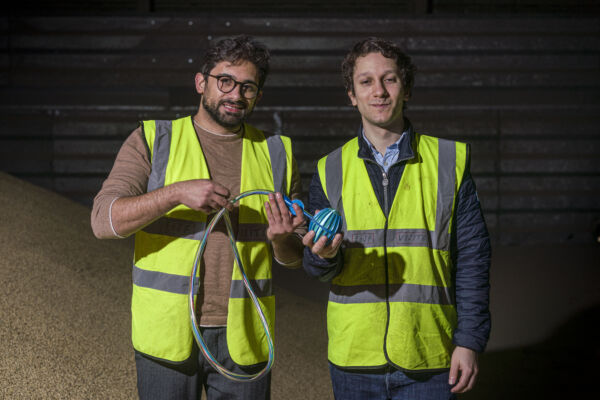
To bridge this gap, Robotics Engineer Rahul Ramanchandran (pictured) produced an in-depth Horizon Scanning Report examining the current potato grading technology market across the UK and Europe. The study assessed 24 manufacturers and suppliers, ranging from traditional mechanical graders to advanced AI-enabled optical sorting systems, providing an evidence-based overview of the technologies available to farmers today.

Robotics Engineer Rahul created a bespoke robotics horizon scanning report for potato growers in Scotland
Drawing on direct engagement with potato growers, the report explored the operational challenges facing the sector and identified the features farmers consider most important when investing in grading equipment. These included grading accuracy, the ability to handle dirty potatoes, labour reduction, audit-ready data collection, local service support and ease of integration with existing infrastructure.
Alongside the technical research, The National Robotarium developed a practical farmer’s guide that translates complex market analysis into accessible, plain-language advice. The guide explains the different types of grading technologies available, highlights key suppliers, outlines funding and support options, and provides a checklist of questions growers should ask before making a purchasing decision.
Rahul said: “One of the clearest messages we heard from potato growers was that they don’t need more technology options, they need trusted information that helps them make confident decisions.
“By combining detailed market analysis with direct input from farmers, we were able to identify the solutions, capabilities and practical considerations that matter most to growers. The resulting report and farmer guide are designed to help businesses understand what technologies are available, how they compare, and what questions they should ask before investing.”

Co-Director of The National Robotarium Steve Maclaren leading a session on robotics for farming with key stakeholders from the Scottish agriculture sector
Steve Maclaren, Co-Director of The National Robotarium said: “At The National Robotarium, we combine technical expertise, market intelligence and user engagement to help organisations make informed decisions about robotics and automation investment. Our horizon scanning and technology assessment work provides an independent view of the landscape, identifying what solutions exist today, how mature they are, where the risks and opportunities lie, and what is most likely to deliver impact for end users.
“While this project focused on potato grading technologies, the approach can be applied across a wide range of sectors, from agriculture and food production to construction, energy, manufacturing and healthcare. By bringing together industry insight, robotics expertise and evidence-based analysis, we help organisations cut through the hype and make confident decisions about technology adoption.”